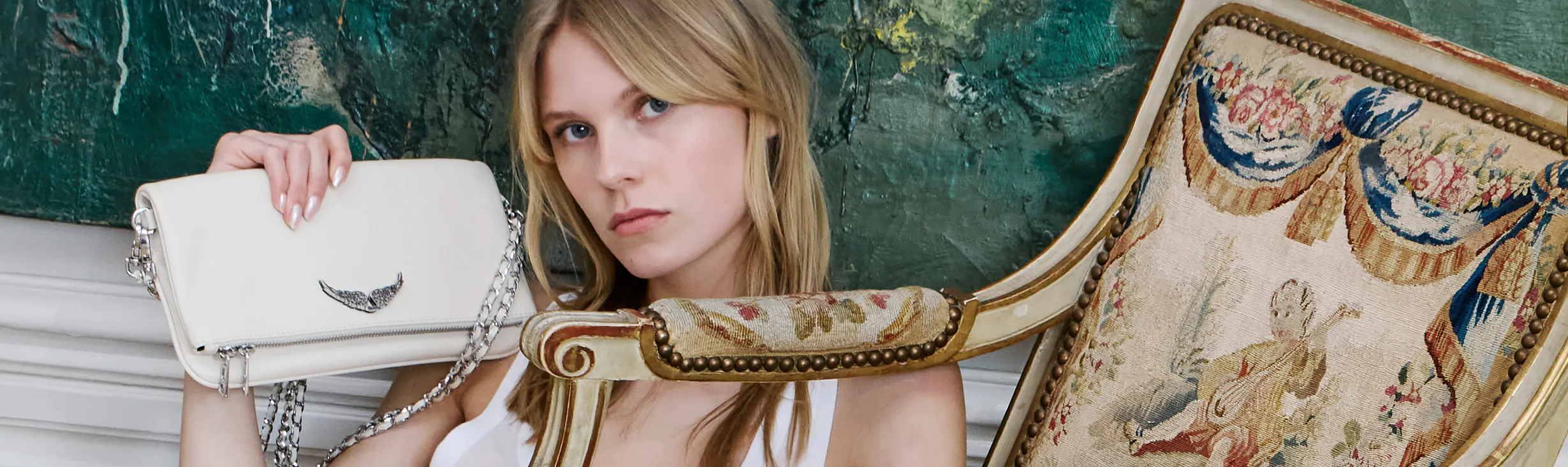
Parisian Spring Style: The 2026 Edit
Parisian spring style develops gradually as temperatures shift from Winter months, shaped by the light and pace of the season.
Layers become lighter, silhouettes open slightly, and fabrics begin to move with more ease. What remains season after season is the instinct that defines Parisian dressing, rooted in precision, restraint, and a refusal to overwork a look.
In 2026, Spring dressing is less about seasonal novelty and more about wearing familiar pieces with greater lightness, flexibility, and control.
What Spring Actually Changes
The shift into spring is less about introducing an entirely new wardrobe and more about adjusting what is already there. Heavy outerwear gives way to light jackets and coats that still hold their structure. Tailoring remains central, worn with ease, often open, layered, or softened by lighter textures.
This is where French spring fashion becomes distinct. The transition is subtle rather than dramatic. A blazer worn over a silk top replaces heavier knit layers. Dresses return, but rarely on their own. They are balanced by outerwear, sharper lines, or more grounded accessories.
In practical terms, that often means:
- swapping wool coats for lighter tailored jackets
- replacing thick knits with fine-gauge sweaters or silk tops
- bringing dresses into everyday dressing, not just occasion wear
The effect is transitional, but never uncertain. The pieces remain familiar, while the overall silhouette becomes lighter, cleaner, and more responsive.
Layering with Intention
Layering remains essential in spring, but its purpose shifts. It is no longer only about warmth. It becomes a way to shape proportion, introduce contrast, and give the outfit some flexibility through the day.
A tailored blazer brings structure, while a silk top underneath softens it. A lightweight jacket defines the silhouette without making it feel fixed. Knitwear, when it appears, works more as texture than as the foundation of the look.
In everyday dressing, that can look like:
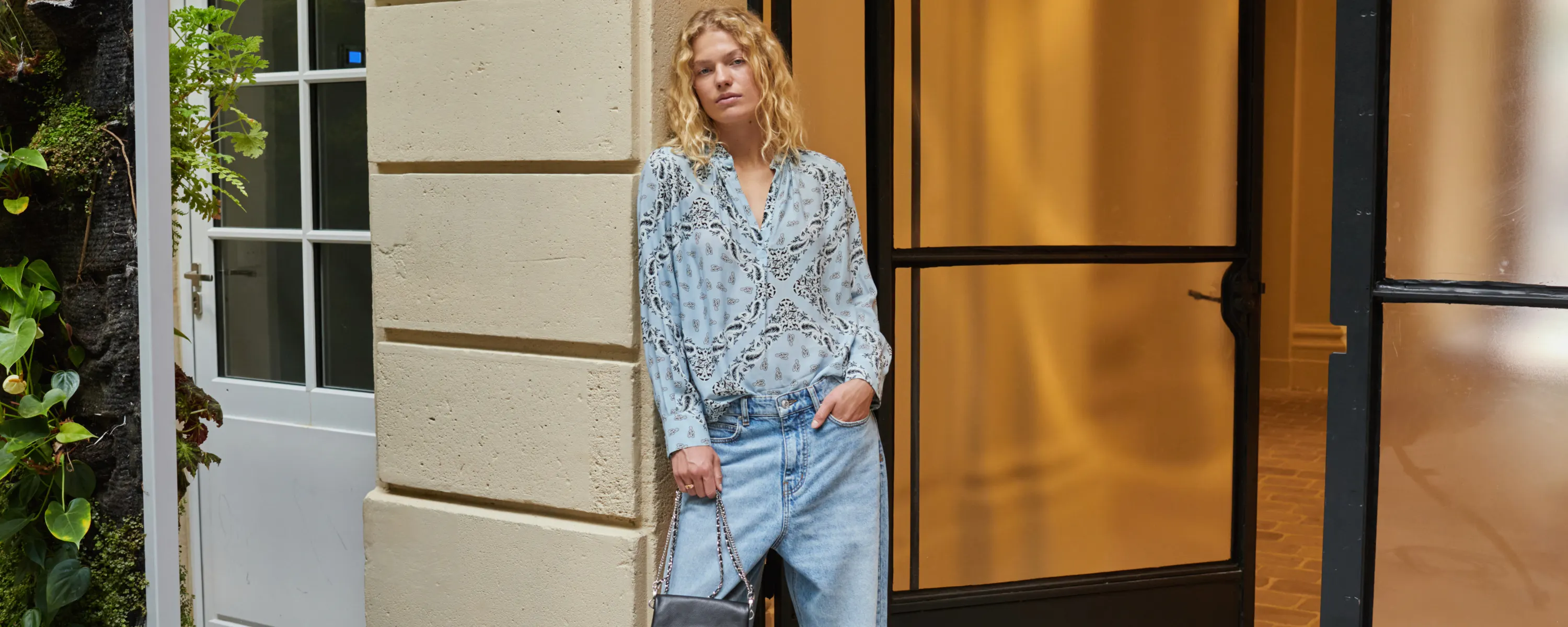
- a blazer over a fluid blouse with denim or tailored pants
- a lightweight jacket layered over a dress
- a fine knit worn under outerwear for subtle depth
This is what defines spring season style. It is composed, but never rigid. Relaxed, but never careless. Even at its lightest, the look still feels elevated.
Texture Over Trend
Spring dressing in Paris is shaped less by trend than by material. As heavier fabrics recede, lighter textures begin to carry the wardrobe. Silk, fine cotton, soft denim, and lightweight knits introduce movement without disrupting the whole look.
This is what gives spring chic its depth. It is not only about color or pattern. It is about how textures interact. A structured blazer against a fluid silk top. A leather bag grounding a lighter silhouette. Soft knits paired with denim to keep the outfit from feeling too delicate.
Footwear shifts as well. Ankle boots and simple sneakers begin to replace heavier winter styles, keeping the outfit lighter without losing definition.
Nothing feels overly soft. Nothing feels overly strict. The balance comes from contrast, not excess, which is exactly what keeps the look current without making it trend-dependent.
Dressing for Continuity
What makes French spring outfits so effective is their ability to move effortlessly through the day without needing to be redone. A strong spring look should adapt naturally, responding to changes in temperature or setting without losing its appearance.
A dress worn under a blazer can shift simply by removing one layer. A light coat adds structure in the morning and can be carried later without disrupting the rest of the outfit. A silk top with tailored pants works during the day and still feels right later on.
In practice, that means building French spring outfits that:
- work across different temperatures
- move easily from day to evening
- rely on layering rather than complete changes
Accessories remain minimal, but intentional. A structured bag, a clean shoe, a single outer layer. Each piece has a role, but none competes for attention. The point is not to create multiple looks in one day. It is to create one look that evolves well.
The 2026 Edit
The 2026 edit is not about chasing what is new for its own sake. It is about identifying what continues to work and wearing it with precision. In that sense, Parisian spring style in 2026 feels sharper, more versatile, and more grounded in real use.
The pieces that matter most are not the ones tied to a passing trend, but the ones that adapt easily without losing their identity. A well-cut blazer that works across seasons. A fluid dress that can be layered or worn on its own. A lightweight jacket that replaces heavier outerwear without losing structure.
This is what defines Parisian spring style in 2026:
- fewer pieces, worn more often
- a stronger emphasis on layering and proportion
- materials that move easily between seasons
- outfits built for everyday life, not single moments
Discover Zadig&Voltaire 2026 Colors of the Season
Zadig&Voltaire and Spring Dressing
The idea of a seasonal edit is not about identifying what is new. It is about recognizing what continues to function. Modern Parisian spring style reflects this approach. The wardrobe becomes more intentional, more selective, and more aligned with how it is worn.
At Zadig&Voltaire, spring dressing follows the same idea of refinement and continuity. Pieces are designed to move across seasons without losing relevance, allowing the wardrobe to shift through layering, proportion, and texture rather than replacement.
Explore light jackets and coats, tailored blazers, fluid dresses, and everyday accessories designed to define modern Parisian spring style through a clear and controlled perspective.